
Background and tourism context of Mallorca
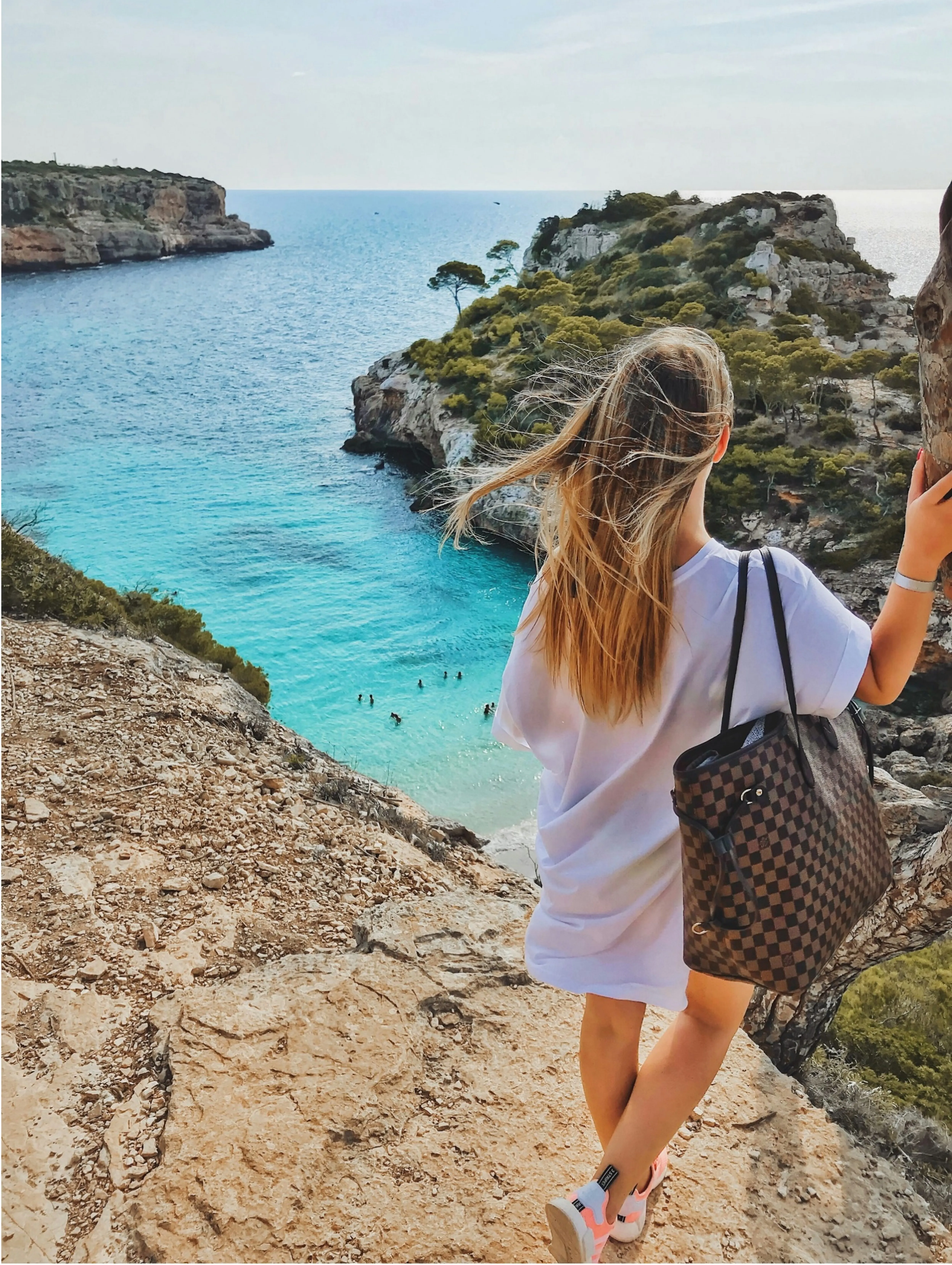
Tourism is the main economic engine of Mallorca, an island that in 2023 welcomed more than 10.6 million international visitors, representing 12.5% of all arrivals in Spain. This steady flow of visitors sustains an essential part of the island's business fabric, generates direct and indirect employment, and largely defines the socio-economic structure of the territory. The weight of tourism in Mallorca's economy is not only quantitative; it also shapes territorial planning, infrastructure management, energy demand, and pressure on natural resources.
In recent years, tourism demand has maintained a growing trend, driven by post-pandemic recovery and the consolidation of Mallorca as a leading international destination. This increase has heightened the complexity of tourism management and the need for accurate information and decision-support systems to anticipate changes, balance flows, and protect environmental and social values, with the aim of addressing the main challenges Mallorca faces as a tourism destination:

Territorial and water vulnerability

Tourism flows and coexistence

Lack of interadministrative coordination
Need for a comprehensive digital solution
Limitations of the current management model
- The current model struggles to consolidate information, coordinate stakeholders, and anticipate impacts.
- Without interoperable digital tools, planning relies on partial data and manual processes that slow decision-making and hinder responses to saturation, emergencies, or environmental risks.
- The constant increase in data volume and tourism complexity requires a technological infrastructure capable of processing, connecting, and analyzing information in real time.
Opportunities associated with digitalization
- Digitalization opens the door to a profound transformation of the tourism management model.
- Creating a unified data space, applying advanced analytics, ensuring interoperability among administrations, and automating processes make it possible to improve sustainability, optimize resources, personalize experiences, and strengthen citizen participation.
- Mallorca is at an ideal moment to make this leap, aligning with global trends in smart destinations and the principles of sustainable tourism.